
There is no such thing as a “perfect caregiver”. Be confident that you are doing the best you can and are making the best decisions possible for your loved one.
#CaregiversCorner

There is no such thing as a “perfect caregiver”. Be confident that you are doing the best you can and are making the best decisions possible for your loved one.
#CaregiversCorner

You hear it all the time, but please, don’t forget to wash your hands—especially during flu season!
 Elderly Friendly DIY Project: Stained Glass Plate Decoration
Your senior will enjoy this simple project that will help them decorate their space for the holiday season.
Items needed for project:
Cut desired designs into tissue paper. Mix school glue with water to easily spread onto plate. Paste desired shapes. If plate will be hung up on a window, use hot glue gun with caution to glue ribbon.
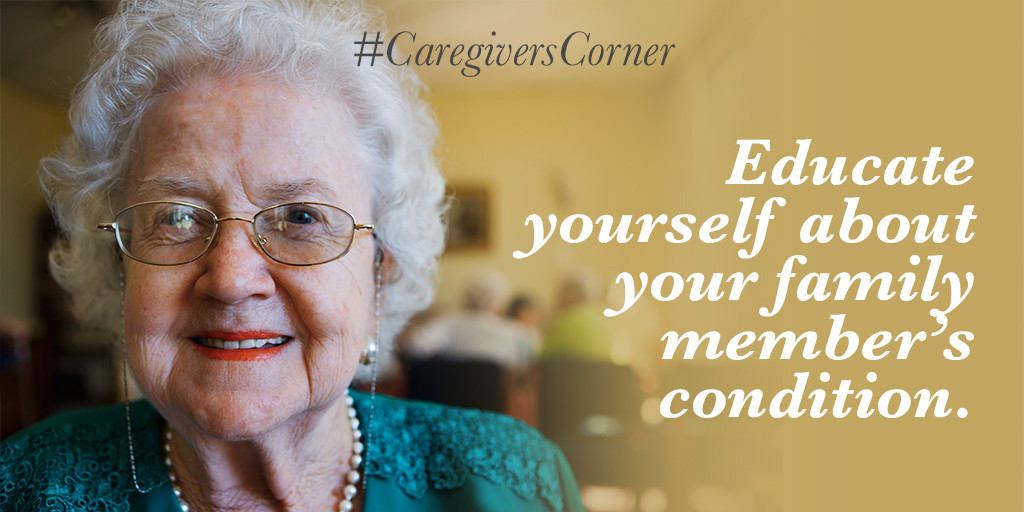
The more you know about their condition, the more effective you’ll be at caregiving.
#CaregiversCorner
Money makes the world go round, or so they say. Discussing financial matters can be difficult for many people they find talking about money is crass or in poor taste. Preconceived notions about affordability prevent further meaningful exploration of senior care options. Others may not realize they are eligible for benefits and are afraid of being denied. There are many reasons why people can avoid asking difficult, but necessary, questions about healthcare.
This third and final blog in our series focuses on the FAQ’s related to paying for Programs of All-Inclusive Care for the Elderly (PACE). PACE centers are relatively new to the state of New Jersey, so getting the answers to those frequently asked questions is important. It is always best to be fully informed when making a healthcare decision for yourself or your loved one.
Q 1: Who is eligible to participate in a PACE program?
A 1: When enrolling, participants must be 55 years of age or older, require nursing home level of care and must be able to live safely in the community. Participants must live in the PACE service area as well.
Q 2: Who pays for PACE and how much will it cost?
A 2: Oftentimes, understanding government-based websites can be difficult because of the jargon and technical language. It is helpful to boil down this information to its simplest form. There are several ways PACE participation is paid for; Medicare and Medicaid are the largest contributors to the program, but there are other options:
Medicare
The participant can have Medicare as the only source of insurance with either part A or part B separately or combined. There is an out-of-pocket cost due to a long term care premium that is not covered since those participants do not have Medicaid.
Medicaid
These participants have only Medicaid coverage and no other.
Dual Eligible
Includes participants who are covered by Medicare AND Medicaid.
Private Insurance
Includes participants who have long-term care insurance (or other insurance) that pays, either in whole or in part, the long-term care premium.
Private Pay
Includes participants who pay both the Medicare and Medicaid capitation amounts privately out-of-pocket. The program also accepts participants who pay privately.
If you qualify for Medicare, all covered services are paid for by that payer source. If you also qualify for your State’s Medicaid program, you will either have a small monthly payment or pay nothing for the long-term care portion of the PACE benefit. If you do not qualify for Medicaid, participants will be charged a monthly premium to cover the long-term care portion of the PACE benefit as well as a premium for Medicare Part D drugs. In PACE, there is never a deductible or copayment for any drug, service, or care approved by the PACE team. PACE agencies receive a set amount of Medicare and Medicaid funds each month to ensure participant care, regardless of the setting. There is an incentive to keep participants healthy.
Knowing the right questions to ask will cultivate better answers. Better answers are the basis for better decisions and better decisions ultimately allow better outcomes. Obtaining all the facts by getting all the FAQ’s answered will help to achieve the best outcome possible. Contact the caring professionals at Beacon of Life, Program of All-Inclusive Care for the Elderly at 732-592-3400 or by clicking below.
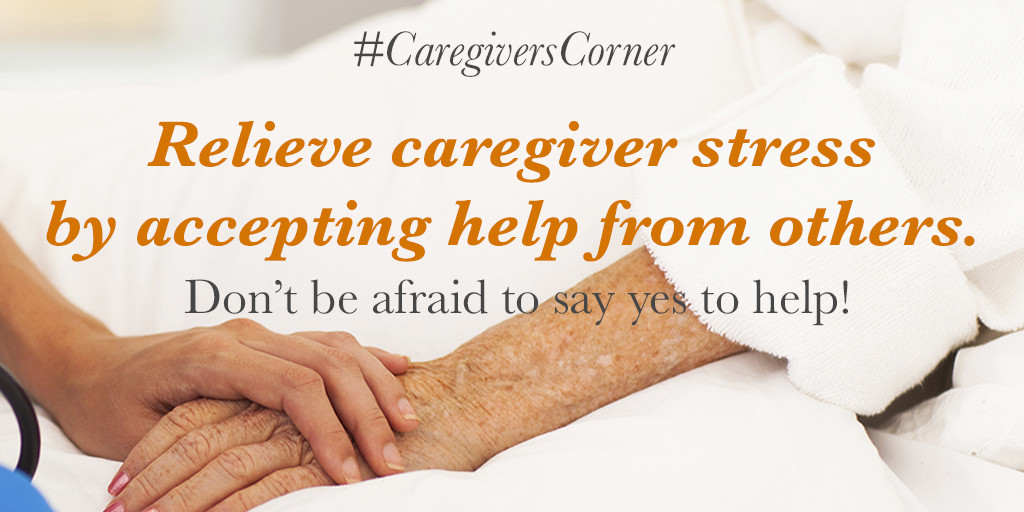
When taking on the role of a caregiver, asking others for help may be daunting but will help you build a strong support system.
#CaregiversCorner
Complex or overwhelming information is easier to comprehend when shared in manageable portions. When making healthcare decisions, it is vital to not only have all the correct information but to fully understand that information. Having a comfort level in knowing healthcare needs will be met can mean the difference between constant worry and peace of mind.
PACE centers (Programs of All Inclusive Care for the Elderly) are relatively new to the state of New Jersey, so getting the answers to those frequently asked questions is important. It is best to be fully informed while making healthcare decisions. This second blog of a three-part series continues giving answers to frequently asked questions about PACE programs.
Q.1: What is the goal of PACE?
A 1: The goal is to help achieve and maintain the highest functional level for each participant, keeping in mind that each person has a different maximum potential. PACE programs seek to effectively manage chronic conditions and reduce the number of re-hospitalizations. The capitated pay structure offers incentive for providers to manage the provision of care and to maintain a state of relative wellness for each participant. PACE organizations focus on helping the frail and elderly live in the community for as long as possible, and to meet this goal, PACE organizations focus on preventive care.
Q 2: What services are provided at a PACE center?
A 2: PACE centers provide participants with ongoing needs care along a broad continuum. These services include nursing and personal care, as well as physical, occupational and recreational therapy. Meals and nutritional counseling promote wellness and many forms of healing. Social services are provided to help participants and their family members. Other services include the following:
Primary Care Hospital Care Medical Specialty Services
Prescription Drugs Nursing Home Care Emergency Services
Home Care Physical therapy Occupational therapy
Adult Day Care Recreational therapy Meals
Dentistry Nutritional Counseling Social Services
Laboratory / X-ray Services Social Work Counseling Transportation
Q 3: Are there doctors available at the center?
A 3: Each PACE program has a group of physicians on staff providing medical care as needed. This group is typically composed of a medical director that guides the program and oversees the other physicians. PACE physicians become familiar with the history, needs and preferences of each participant. Medical specialties, such as audiology, dentistry, optometry, podiatry and speech therapy are usually present.
Q 4: What if I need to see another specialist and how will I get there?
A 4: PACE organizations provide all medically-necessary transportation to the PACE center for activities or medical appointments. You can also get transportation to appointments in the community.
Q 5: What if I need more care?
A 5: If a PACE enrollee needs nursing home care, the PACE program pays for it and continues to coordinate the enrollee’s care. While all PACE members must be certified to need nursing home care, only about 7 percent of PACE participants nationally reside in a nursing home.
Q 6: What happens if a PACE program is not for me?
A 6: PACE participants may dis-enroll from the program at any time and for any reason, those with Medicare or Medicaid will be assisted in returning to their former health care coverage. Enrollment continues as long as desired by the PACE participant, regardless of change in health status, until expiration or voluntary or involuntary dis-enrollment.
Knowing the right questions to ask will cultivate better answers. Better answers are the basis for better decisions and better decisions ultimately allow better outcomes. Obtaining all the facts by getting all the FAQ’s answered will help to achieve the best outcome possible. Contact the caring professionals at Beacon of Life, Program of All-Inclusive Care for the Elderly at 732-592-3400 or by clicking here.
Frequently asked questions, or FAQ’s for short, are questions that everyone is asking. They can be simple questions easily addressed by a recording or read off a script, or answers to common questions such as the address of a business or its hours of operation. They could also require complex information that offers clarity related to a service such as pricing or eligibility requirements. There are many FAQ’s when it comes to Programs of All-Inclusive Care for the Elderly. Since PACE centers are relatively new to the state of New Jersey, getting the answers to those frequently asked questions is important. Making fully informed healthcare decisions is critical to well-being in the elderly.
Typical questions cover a wide range of topics such as how to enroll, who pays for participation and is there access to medical care if needed. Getting answers in a clear and easy to digest format makes the healthcare landscape more manageable to the average person. Complex information boiled down to its germane points makes a huge difference when trying to understand complicated and unfamiliar material. The uninitiated often have no exposure to the topic and are at a loss on how to proceed. Knowing the right questions to ask is often all that is needed. In an attempt to simplify complicated information while retaining the intent of the regulations, the next three blogs will feature the PACE perspective from a FAQ point of view.
Q 1: What is a PACE program?
A 1: A PACE program is a managed care benefit for the community-dwelling frail elderly, featuring medical and social services in an adult daycare setting. These services are supplemented by in-home and referral services depending on participant needs. Skilled healthcare professionals make that determination.
Q 2: Why enroll in a PACE program?
A 2: Enrolling in a PACE program allows participants to enjoy the comforts of home and family while getting needed care and supervision during the day. This allows caregivers freedom to work and tend to their own needs. The program is built on the belief that seniors with chronic care needs are better served in the community when possible.
Q 3: How do I enroll in a PACE program?
A 3: Enrollment is always voluntary. Once eligibility has been determined, an Enrollment Agreement is completed and signed. This agreement contains information such as demographics, a description of benefits, effective date, explanation of policy premiums, and care. Eligibility criteria will be discussed in future blogs.
Q 4: What can I expect to happen after I enroll?
A 4: An initial comprehensive assessment is usually completed by the date of enrollment or a within a few days after so a care plan can be presented to the participant.
Q 5: Can I be denied from enrolling and participating?
A 5: If a major health event or change in medical status occurs between the enrollment date and the first of the following month, enrollment may be denied. If the potential participant is no longer able to live safely in the community, enrollment will be denied.
Knowing the right questions to ask will cultivate better answers. Better answers are the basis for better decisions and better decisions ultimately allow better outcomes. Obtaining all the facts by getting all the FAQ’s answered will help to achieve the best outcome possible. Contact the caring professionals at Beacon of Life, Program of All-Inclusive Care for the Elderly at 732-592-3400 or by clicking here.